
















Plastics Accompanying PCBA
Plastic Junction Boxes in PCBA
The core mission of plastic electrical junction boxes is to provide safe insulation, reliable sealing, and physical protection for electrical connections in complex environments. Voltage resistance is a fundamental safety requirement – all junction boxes must meet it. When selecting, ensure the rated insulation voltage exceeds the maximum operating voltage of your system with ample margin.
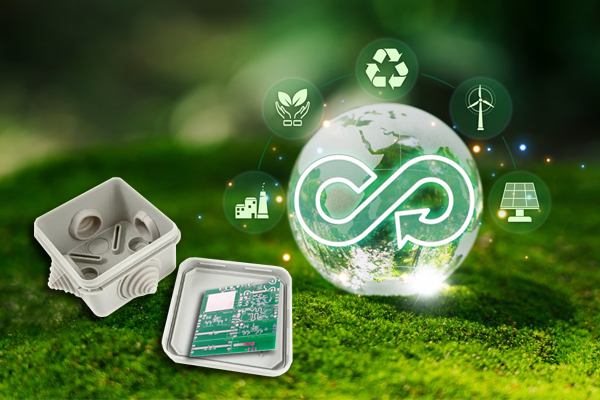
In precision electronics and high-frequency applications, voltage resistance (electrical insulation strength) and EMI shielding are core functions for electrical safety and reliability. The physical structure of the plastic junction box is tailor-made for the PCBA.
Plastic Selection

Thermoset Plastics (Phenolic, Aminoplastics)
- Switch housings, socket bodies – extreme arc resistance & flame retardancy (UL94 V-0).
- Long-term high-temperature environments (engine compartments).
- Precision electrical components requiring high dimensional stability and creep resistance.
 Thermoplastics (ABS, PC, PC/ABS)
 Thermoplastics (ABS, PC, PC/ABS)
- General-purpose junction box enclosures – balanced performance, low cost, easy processing, complex geometries.
- Outdoor/industrial environments requiring high impact resistance.
- Color/appearance requirements or secondary operations (ultrasonic welding).

Electrical Safety & Reliability
- Voltage resistance: Prefer high dielectric strength (pure PC > ABS).
- Sensitive electronics (signal transmitters, communication modules) or strong EMI environments (variable frequency drives, broadcast antennas): electroplate-capable plastics (ABS) – metallized surface reflects/absorbs EM waves, prevents interference.

Thermoset & Thermoplastic Cooperation
- Waterproof cable glands (cord grips): Inner sealing ring – thermoset rubber; gland body – thermoplastic flame-retardant reinforced PA66.
- Optimal combination of elasticity, sealing, and mechanical strength.
Mold – The Birth Mother of the Product

It translates the "meaningless existence" of plastic granules into the positive shape of the product through the negative space of the mold cavity. The mold is the "biological mother" of the product: it determines 99% of the precision, surface quality, and structural feasibility. A superior mold transforms low-cost raw materials into high-performance products.
Alloy Plastics – When Single Materials Fall Short
📍 Scenario 1: Outdoor Communication Base Station
Requirements: High impact resistance (installation damage prevention), high weatherability (UV resistance), excellent flame retardancy.
Solution: Pure PC – good impact/weatherability but difficult processing, high cost. Pure ABS – good processing but insufficient weatherability/impact. PC/ABS alloy balances all three requirements. PC & ABS are inherently flame-retardant and eco-friendly.
📍 Scenario 2: Lightweight Evolution – Agricultural Machinery, Pumps, New Energy Vehicles
Requirements: Approach or achieve metal-like strength & rigidity, significant weight reduction, cost reduction, corrosion resistance.
Solution: Long-fiber reinforced plastic alloys – "replace steel with plastic" through advanced compounding and modification.
Certifications & Standards
Ensure selected alloy materials carry safety certifications for target markets (UL, IEC, RoHS) – especially flame retardant and environmental compliance.
View Authoritative Certifications →


